
Henry County Ownership Sources
Every backward search leans on the Henry County Clerk, whose office holds the permanent deed indexes and every recorded instrument. Work from the strongest recent proof first. Then switch sources as the chain grows older. One caution applies to eCCLIX. The county page never states how far its online index reaches, so an empty result is not the end of the chain. Early deed books, archive film, tax lists, plats, wills, and land patents fill the deeper gaps.
| Source | Years It Covers | Where Held | What It Shows |
|---|---|---|---|
| eCCLIX deed index | Online range not published | Henry County Clerk | Parties, instrument type, date, and book/page when indexed |
| Deed books and microfilm | County formation forward; Books 5-10 are 1814-1824 | Clerk and KDLA | Earlier conveyances and full legal descriptions |
| Recorded plats | Varies by filing | Clerk and joint Planning & Zoning | Subdivision, lot, road, and easement context |
| Tax rolls, wills, and patents | Historical runs vary | PVA, clerk, KDLA, and Kentucky Land Office | Supporting owner, estate, and original-grant clues |
Start with the newest deed. Early 1800s questions work best when you locate a book or index reference before requesting an image. A tax roll places a name in a year. Still, it cannot replace the deed, while the plat maps the lot framework and the deed proves the conveyance.
Start With Henry's Newest Deed
Start with the PVA or the tax record to pin down the parcel. Then pull the latest deed from the Henry County land-record service. A free citizen account covers Henry County only. It allows five searches per day. Plan your name variants before spending them. eCCLIX accepts party, grantor, grantee, book/page, and instrument references where available. It does not accept searches by tax lot, parcel number, or tax-bill number.
The newest deed should give you the current grantee and the prior grantor. It also shows execution or recording dates, the instrument type, and a full legal description. Save them all. Street addresses age badly in old work. Rural routes, city names, and house numbers all change. When no image exists, record the index citation and use the clerk's known-document request.
The eCCLIX residential sign-in shows the access gate. That gate stands before any Henry County deed-index search.
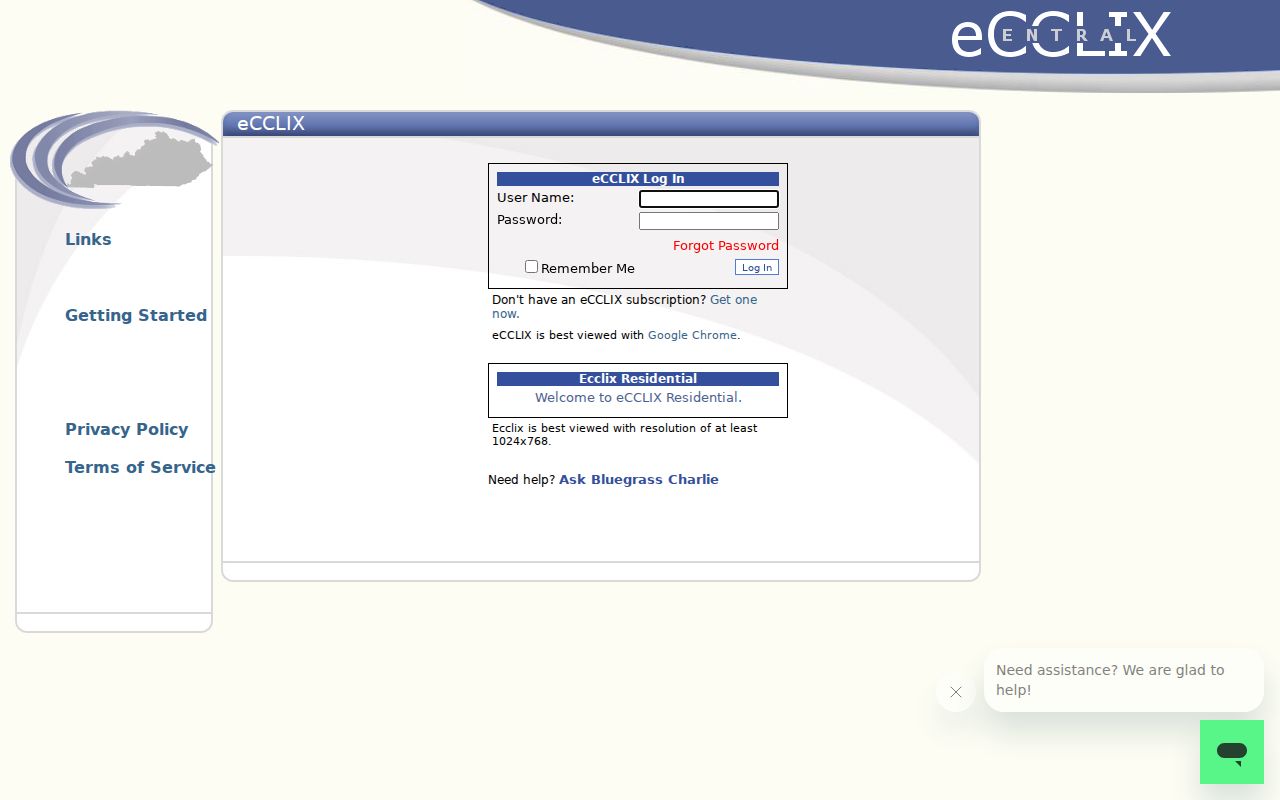
That sign-in unlocks indexed Henry County deed records, but it does not mean every historic deed has been scanned into the system yet.
Reconstruct Henry County Past Owners
A deed chain is a series of handoffs. The grantee receives; the grantor conveys. Read the newest transfer, then hunt that grantor as a grantee in an earlier window. Never advance a step until the legal description matches, because a shared surname proves nothing.
- Find the present owner's acquisition deed and capture its full citation.
- Read the grantor name and all description references, including prior book/page language.
- Search that grantor as an earlier grantee, trying initials, spouses, trusts, estates, and spelling forms.
- Compare acreage, calls, adjoining owners, subdivision lot, and exceptions before accepting the link.
- When the web index ends, continue in the clerk's paper index or KDLA microfilm.
- Grantor
- The person or entity transferring an interest.
- Grantee
- The person or entity receiving that interest.
- Chain of title
- The ordered series of instruments linking ownership through time.
- Legal description
- The recorded wording that identifies land by lot, boundary calls, tract, or prior deed reference.
When Henry County Chains Branch
Not every former-owner trail runs straight, because a deed can split a farm, combine lots, reserve an easement, or correct an earlier description. “Same property conveyed” wording often helps. Earlier book/page citations can matter more than the modern situs address. Follow each tract separately. Estates create another branch. An affidavit of descent, will, probate order, commissioner’s deed, executor’s deed, or survivorship affidavit may move title without a standard sale, so search the decedent, the estate, the heirs, the personal representative, and any trust name. CourtNet can flag a related case. The recorded land instrument remains the deed-side link.
Note: A mailing recipient, taxpayer, occupant, and legal owner can be different people.
Henry Deed Books 5 Through 10
One 2024 clue stands out for early records. KDLA's Local Records grant recommendation named Henry County Deed Books 5 through 10, covering 1814 through 1824, for conservation, encapsulation, rebinding, and digital imaging. The request totaled $20,946, and $20,087.50 was recommended for full funding. Few clues about early deed-record condition run that concrete.
The grant does not promise text-searchable pages online. A former-owner search may instead move among the permanent index, a conserved volume, security microfilm, or a newly created image. Note which version supplied each fact. Image quality and indexing vary.
The Kentucky Department for Libraries and Archives microfilm catalog can be filtered by location, agency, record type, and dates.
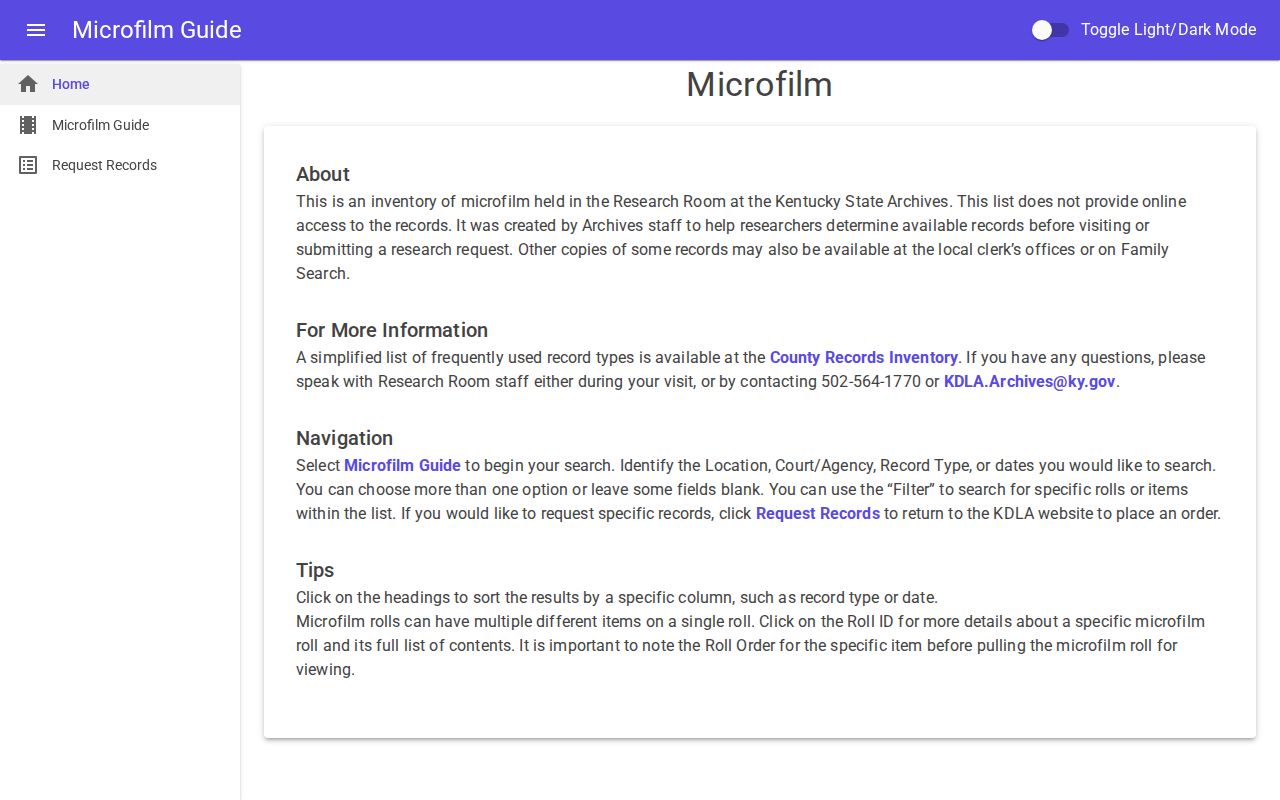
Save the roll ID, book, year range, and repository before asking for a copy.
Old Names Unlock Former Owners
Old geography changes the vocabulary of a Henry County property search. Eminence's Main Street was once the New Castle-Shelbyville Turnpike. The town's 1854 plat marks the railroad and named lots. Campbellsburg records may say Chiltonsville, Benevola, Old Campbellsburg, or New Campbellsburg. New Castle courthouse-square parcels can hinge on lot, block, or old business names.
The 1886 Henry and Shelby Counties atlas is a term machine. Mine it for road, precinct, railroad, and town names. Then return to the recorded deed. The atlas gives orientation, never present ownership or a legal boundary. Henry County Local microfilm, starting in 1902, adds sale notices, obituaries, business names, and address clues. Those clues bridge gaps between deeds.
Order a Henry Ownership Record
Need a specific document from Henry County? The Henry County Clerk copy form covers known instruments. However, the clerk's staff will not run a title search for you. Include the book and page if you have them. Without that, list the date, the parties, and the document control number. Add the property address and the document type, with a short note explaining what you need. You will also pick plain or certified status and a delivery method.
Copy fees are straightforward. Pages run $0.25 each, and a conformed copy adds a $1 label. Mail orders add $2 per document plus $2 shipping. A certified copy costs $5, or $7 when a document runs past ten pages. Emailed documents are $5 each plus the stated card charge. Remember, these are copy charges only, not recording fees for new property records.
Henry County History Has Limits
Henry County's permanent indexes reach further back than the public web does. The exact eCCLIX cutoff, though, is not published. For the earliest tracts, Kentucky Land Office patents show the warrant, entry, and survey. The patents also show the grant behind the land. Title actually passed at the grant, not at the warrant or entry alone. If a transaction predates Henry County itself, parent-county records may hold the missing deed.
Building a full ownership chain takes judgment. Splits, inheritance, boundary corrections, and missing images can all break the line. An index entry is not the instrument. A transcription is not a certified copy either. For a legal title opinion, hire a qualified professional. That professional can examine the complete property records.
Lawful use. Former-owner research supports house history, estate work, and property diligence. Do not use owner details to track, threaten, or harass a living person.